What is 3D printing? A beginner’s guide for the Philippines
Updated November 10, 2026
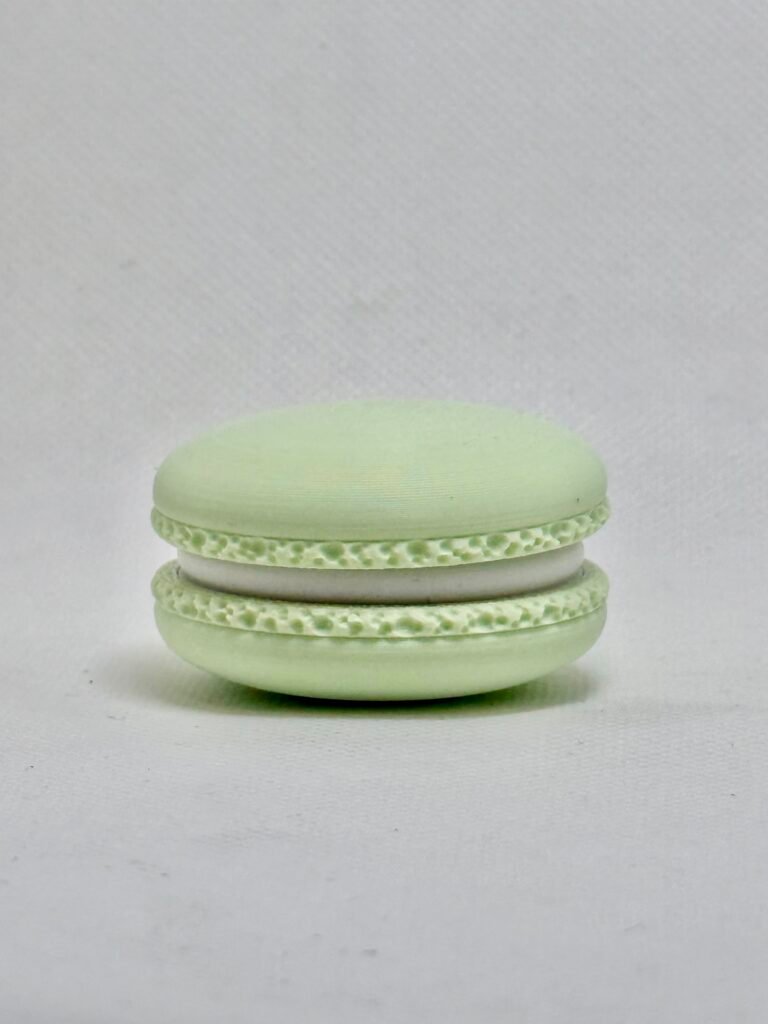
Printed in our studio

The short answer
3D printing is a way of making a solid object from a digital 3D file, one thin layer at a time. The printer adds material only where the object needs it, so it can make shapes that are hard to carve or mold. It is also called additive manufacturing.
- In the Philippines, you can have a part 3D printed at Stak Maker in Makati City, which ships nationwide.
- The most common type is FDM, which melts plastic such as PLA or ABS.
- At Stak Maker, a custom 3D print starts at ₱150 per job and is made in 2 to 4 business days, plus courier time.
How 3D printing works
Every print goes through four steps, whatever the printer.
- Get a 3D file. The object starts as a 3D model, usually an STL, OBJ or 3MF file. Draw one in free software such as Tinkercad, or download a ready-made model.
- Slice it. Slicing software cuts the model into thin layers and plans the printer’s path. This is where the layer height, walls, infill and supports are set.
- Print it layer by layer. The printer builds the first layer on the build plate, then each next layer on top. At a common 0.2 mm layer height, a part 20 mm tall has 100 layers.
- Finish it. The supports come off, the edges are cleaned and the part is checked.
Infill is the inside of the part: most prints are not solid, and a grid fills about 15 to 25% of the inside. Supports are temporary scaffolds under overhangs, removed after printing.
Types of 3D printing
FDM (fused deposition modeling)
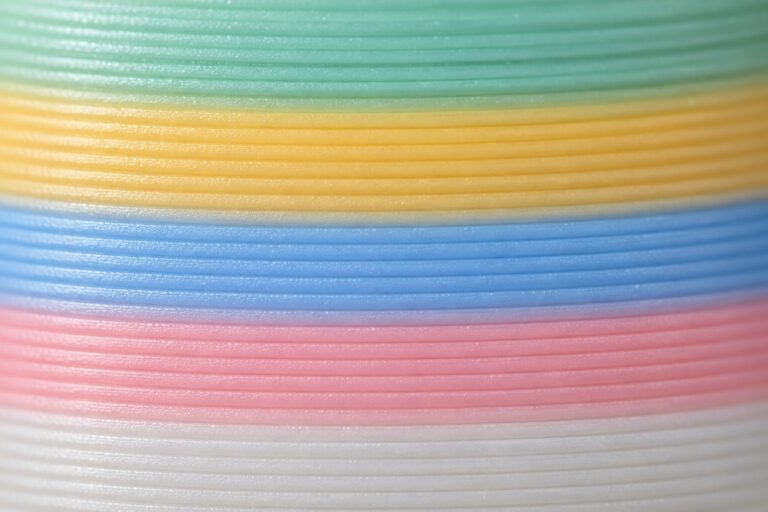
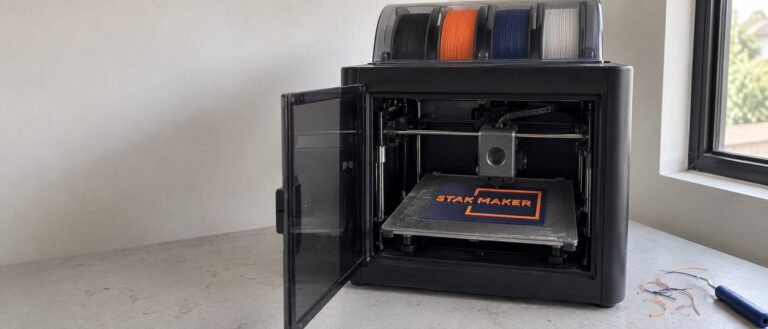
An FDM printer melts a plastic thread, called filament, in a hot nozzle and draws each layer as a thin line that cools in place. It is the most common type, in the Philippines and worldwide, and usually costs the least per part. Stak Maker prints FDM, on a Bambu Lab X1 Carbon: see 3D printing in Makati.
Resin (SLA and MSLA)
A resin printer hardens liquid resin with light, one very thin layer at a time. It gives smooth surfaces and fine detail, for miniatures and jewelry models. Prints must be washed and cured, and standard resin is more brittle than FDM plastic.
SLS (selective laser sintering)
An SLS printer uses a laser to fuse nylon powder, and the loose powder holds the part up, so it needs no supports. It makes strong parts for engineering use. The machines are industrial, so SLS parts cost much more than FDM.
3D printing materials
The material decides how strong a part is, how much heat it takes and how it looks.
| Material | Strength | Heat | Typical use |
|---|---|---|---|
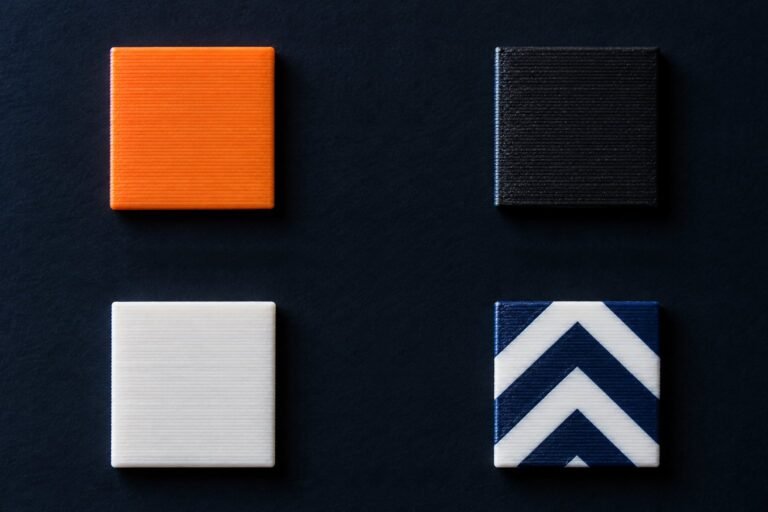
| PLA | Stiff, with crisp detail, but it can snap if bent hard | Softens at about 55 °C | Gifts, keychains, figures, display pieces, prototypes |
| ABS | Tougher than PLA and less likely to snap | Handles more heat than PLA | Car parts, enclosures, parts that get warm |
| PETG | Tough, with a little flex | Handles more heat than PLA, but less than ABS | Functional parts, holders, outdoor items |
| TPU | Soft and rubbery; it bends instead of breaking | Depends on the grade | Grips, bumpers, phone cases, seals |
| Resin | Hard, with very fine detail; standard resin can be brittle | Depends on the type; standard resin is not made for heat | Miniatures, jewelry models, small detailed figures |
Stak Maker prints in PLA and ABS. Need another filament? Message us before you order. More in PLA vs ABS for Philippine heat.
What you can make with a 3D printer
If it fits on the printer and can be built in layers, it can usually be printed. Common jobs:
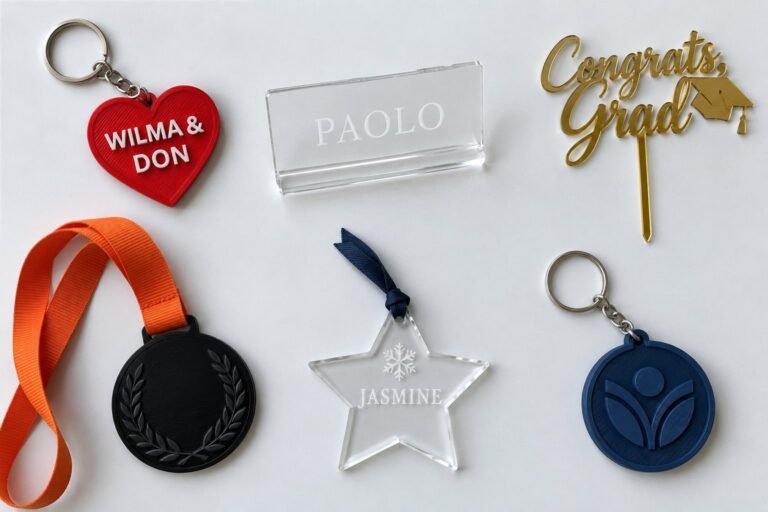
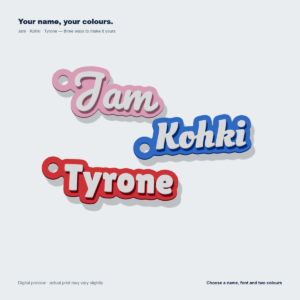
- Keychains: a name in raised letters, in two colors. See the 3D printed name keychain or all custom keychains.
- Replacement parts: knobs, clips and brackets that are no longer sold. See custom fabrication.
- Prototypes: a first version of a product, to check its size and fit before paying for a mold.
- Cosplay props and models: armor pieces and scale models, printed in parts and painted.
- Desk items and toys: fidget toys, phone stands and a desk name plate.
- Gifts and souvenirs: personalized gifts, or a batch for an event through souvenirs and bulk orders.
Two limits: 3D printing is slow for big batches of flat shapes, and most FDM prints are not food safe, because the gaps between layers can trap bacteria.
How much 3D printing costs in the Philippines
The price comes from the plastic used, the print time and a per-job setup fee. Small jobs pay a minimum, so the cost per gram falls as parts get bigger.
At Stak Maker, a custom 3D print starts at ₱150 per job, and a name keychain starts at ₱70. In PLA, an 8 g keychain-size part pays the ₱150 minimum, about ₱18 per gram. A 405 g part is estimated at ₱2,610, about ₱6.50 per gram.
The full table is in 3D printing cost in the Philippines. For your own file, the Make Lab gives an instant estimate.
How long 3D printing takes
Print time grows with size, infill and layer height. In Make Lab estimates, an 8 g keychain-size part prints in about 25 minutes, and a 405 g part takes about 20 hours.
At Stak Maker, made-to-order items are made in 2 to 4 business days, plus courier time. Courier times by area are on shipping and pickup.
How to get something 3D printed
- Prepare the file. Use STL, OBJ or 3MF, at the real size in millimeters, as a closed, solid shape. See how to prepare your file.
- Upload it to the Make Lab. Files can be up to 50 MB each. You see the model in 3D, with an instant estimate.
- Get the exact price. Our maker checks the file and confirms the exact price before you pay.
- Pick it up or get it delivered. Pickup in Makati is by appointment, and we ship nationwide by J&T Express and LBC.
No 3D file yet? Message us a sketch or photo with measurements, and we’ll tell you what’s possible. Every way to order is in how to order.
Have a file ready? Upload it to the Make Lab for an instant estimate.
3D printing vs laser cutting
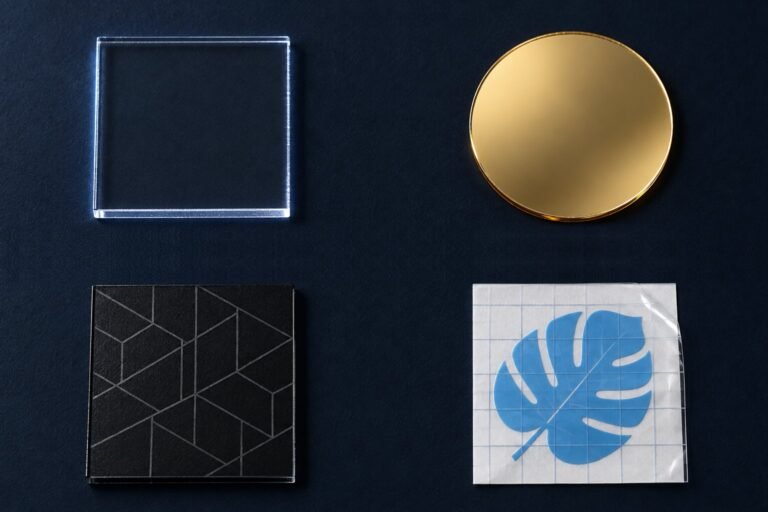
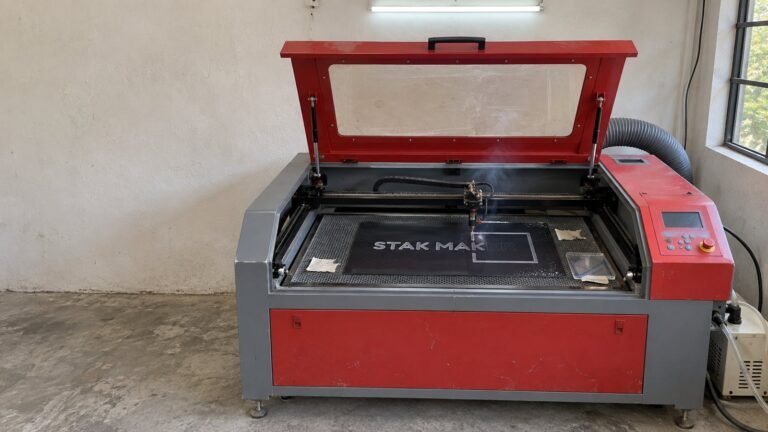
3D printing builds a solid object, layer by layer, from a 3D file. Laser cutting cuts and engraves flat sheets such as acrylic from a 2D design, so it suits signs, cake toppers and flat keychains; see laser cutting vs engraving.
3D printing FAQ
What is 3D printing, in simple terms?
3D printing is making a real object from a digital 3D file, one thin layer at a time. It can be a keychain, a spare part, a figure or a prototype. At Stak Maker in Makati, a custom 3D print starts at ₱150 per job.
Is 3D printing expensive?
It depends on the size. Small jobs pay a minimum: at Stak Maker, ₱150 per custom job, and a name keychain starts at ₱70. In PLA, parts of about 50 to 400 g work out to about ₱6.50 to ₱8 per gram. The Make Lab gives an instant estimate for your file.
Is PLA safe in Philippine heat?
Indoors, yes. PLA softens at about 55 °C, and a parked car in Metro Manila can get hotter than that. Keep PLA prints off dashboards and out of all-day sun. For parts that get hot, choose ABS. See PLA vs ABS.
Can you 3D print from a photo?
Only once it is turned into a 3D model. A photo is flat, so someone has to model the object in 3D first. In the Make Lab, JPG, PNG and WEBP photos are for laser engraving and stickers. For a 3D print, message us the photo with measurements and we’ll tell you what’s possible.
How strong is a 3D print?
Strong enough for everyday parts like clips, knobs and holders, when the material and settings suit the job. Prints are weakest between layers, so the direction a part prints in matters. More walls and infill add strength. ABS is tougher than PLA; PLA is stiff but snaps sooner.
Where can I get 3D printing in Makati?
At Stak Maker, a small fabrication studio in Makati City. Upload your file to the Make Lab for an instant estimate; our maker confirms the exact price before you pay. Pickup in Makati is by appointment, and we ship nationwide by J&T Express and LBC.